

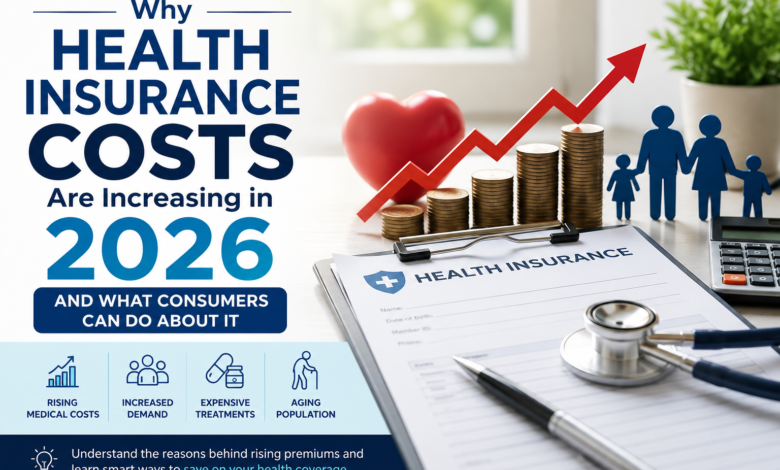
Why Health Insurance Costs Are Increasing in 2026 and What Consumers Can Do
Health insurance plays a crucial role in protecting individuals and families from unexpected medical expenses. However, many policyholders are noticing a familiar trend in 2026: higher premium costs.
For some households, these increases may seem frustrating, especially when budgets are already stretched by rising living expenses. While premium adjustments are never welcome, understanding the reasons behind them can help consumers make better insurance decisions.
Let’s explore what’s driving health insurance costs higher and how you can manage your coverage more effectively.
Understanding Health Insurance Premiums
A health insurance premium is the amount you pay regularly to maintain your health coverage. Whether paid monthly, quarterly, or annually, this fee allows policyholders to access medical benefits when needed.
Insurance providers calculate premiums using several factors, including healthcare costs, claim trends, demographics, and overall market conditions.
When these factors change, premium rates often follow.
Major Reasons Behind Higher Health Insurance Costs in 2026
Medical Care Is Becoming More Expensive
Healthcare providers continue to invest in advanced equipment, modern facilities, and specialized treatments. While these improvements benefit patients, they also increase the cost of delivering medical care.
As hospitals and clinics spend more money on operations, insurance companies often face larger claim payouts.
Growing Demand for Healthcare Services
People today are more proactive about their health than ever before. Increased use of diagnostic tests, specialist consultations, preventive screenings, and ongoing treatments has led to greater healthcare utilization.
Higher demand often translates into greater spending across the healthcare system.
Expensive New Treatments and Medications
The healthcare industry is constantly introducing innovative therapies and life-saving medications. Although these advancements improve patient outcomes, they frequently come with significant costs.
Insurance providers must account for these expenses when determining future premium rates.
Aging Populations Around the World
Many countries are experiencing a steady increase in older populations. As people age, they generally require more frequent medical care, prescription medications, and long-term treatment plans.
This growing demand places additional pressure on healthcare systems and insurance providers alike.
How Premium Increases Affect Policyholders
Rising insurance costs can influence financial planning for millions of families.
Common impacts include:
- Higher monthly insurance payments
- Increased out-of-pocket healthcare expenses
- Greater financial pressure on households
- Difficulty maintaining comprehensive coverage
- Delayed healthcare decisions due to cost concerns
Many consumers are now spending more time comparing policies before renewing their coverage.
Strategies to Keep Health Insurance Costs Under Control
Although individuals cannot control industry-wide pricing trends, there are practical ways to reduce healthcare expenses.
Compare Plans Before Renewal
Many policyholders simply renew their existing coverage without exploring alternatives.
Reviewing available plans each year may reveal better coverage options or more competitive pricing.
Take Advantage of Preventive Care
Routine checkups and health screenings can help detect problems before they become serious.
Early intervention often reduces future treatment costs and improves overall health outcomes.
Explore Digital Healthcare Services
Virtual healthcare consultations continue to grow in popularity.
Telemedicine services can offer convenient access to healthcare professionals while potentially lowering costs associated with traditional office visits.
Focus on Personal Wellness
Maintaining good health can reduce the need for frequent medical treatment.
Simple habits such as:
- Exercising regularly
- Eating nutritious foods
- Managing stress
- Getting sufficient sleep
can contribute to better long-term health and lower healthcare expenses.
What Businesses Need to Know
Employers that provide health benefits are also facing higher insurance costs.
To manage expenses, many organizations are introducing:
- Employee wellness programs
- Preventive healthcare initiatives
- Telehealth benefits
- Flexible coverage options
- Health education resources
These programs aim to improve employee well-being while controlling insurance spending.
Future Trends in Health Insurance
The health insurance industry continues to evolve as technology reshapes healthcare delivery.
Key developments expected in the coming years include:
- Artificial intelligence in claims management
- Personalized insurance plans
- Expanded digital healthcare platforms
- Better health data analysis
- Increased focus on preventive medicine
These innovations may eventually improve efficiency and reduce administrative costs across the industry.
Choosing the Right Policy in 2026
When evaluating health insurance plans, consumers should look beyond the monthly premium.
Important considerations include:
- Coverage limits
- Deductibles
- Provider networks
- Prescription drug benefits
- Emergency coverage
- Customer service reputation
A well-balanced policy often delivers greater value than simply choosing the cheapest option available.
Final Thoughts
Health insurance premiums are expected to remain a significant concern for consumers throughout 2026. Rising medical expenses, increased healthcare utilization, and advances in treatment technology continue to influence pricing across the industry.
While higher premiums can create financial challenges, informed consumers can take steps to protect themselves by reviewing coverage options, maintaining healthy lifestyles, and understanding the factors affecting insurance costs.
Making smart decisions today can help ensure both financial security and access to quality healthcare in the future.