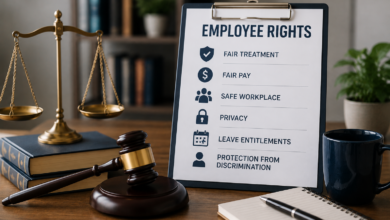


Top Legal Documents Every Small Business Needs in 2026
Starting a small business is exciting, but many entrepreneurs focus so much on growth that they overlook one critical area: legal protection. A single missing document can lead to disputes, financial losses, or even legal action.
Whether you’re running an online store, freelance business, startup, or local company, having the right legal documents in place is essential. These documents not only protect your business but also build trust with clients, employees, and partners.
In this guide, we’ll cover the most important legal documents every small business should have in 2026.
Why Legal Documents Matter
Many business owners assume legal paperwork is only necessary when problems arise. In reality, legal documents help prevent problems before they happen.
Benefits include:
- Protecting business assets
- Reducing legal risks
- Clarifying responsibilities
- Preventing disputes
- Improving professionalism
- Ensuring regulatory compliance
Think of legal documents as a safety net for your business.
1. Business Formation Documents
Every business should have documentation proving its legal structure.
Examples include:
- LLC Formation Documents
- Articles of Incorporation
- Partnership Agreements
- Business Registration Certificates
These documents establish your company as a legal entity and may help protect personal assets from business liabilities.
2. Operating Agreement
An operating agreement outlines how a business will be managed.
It typically includes:
- Ownership percentages
- Voting rights
- Management responsibilities
- Profit distribution
- Procedures for adding or removing members
Even single-member businesses can benefit from having one.
3. Client Service Agreement
One of the most common mistakes small business owners make is working without a written agreement.
A client service agreement should clearly define:
- Scope of work
- Payment terms
- Project timelines
- Deliverables
- Cancellation policies
This document helps prevent misunderstandings and protects both parties.
4. Non-Disclosure Agreement (NDA)
Businesses often share confidential information with employees, freelancers, contractors, or business partners.
A Non-Disclosure Agreement helps protect:
- Trade secrets
- Business strategies
- Customer data
- Financial information
- Proprietary processes
NDAs are especially important for startups and technology-based businesses.
5. Employment Contracts
If you hire employees, written employment agreements are essential.
These contracts usually cover:
- Job responsibilities
- Compensation
- Benefits
- Confidentiality obligations
- Termination conditions
Clear expectations reduce workplace conflicts and improve compliance.
6. Independent Contractor Agreement
Many businesses hire freelancers and contractors instead of full-time employees.
Without a proper contractor agreement, legal issues can arise regarding:
- Ownership of work
- Payment schedules
- Deadlines
- Confidentiality
A written agreement protects both the business and the contractor.
7. Privacy Policy
In 2026, privacy regulations continue to evolve worldwide.
If your website collects information such as:
- Names
- Email addresses
- Phone numbers
- Payment details
You should have a clear privacy policy explaining how data is collected, stored, and used.
This is particularly important for eCommerce stores and online businesses.
8. Website Terms and Conditions
A terms and conditions page establishes rules for visitors using your website.
It may include:
- User responsibilities
- Intellectual property rights
- Liability limitations
- Refund policies
- Dispute resolution procedures
This document helps protect your online presence from legal challenges.
9. Business Partnership Agreement
If multiple people own a business, a partnership agreement is essential.
It should address:
- Ownership shares
- Decision-making authority
- Profit distribution
- Conflict resolution
- Exit strategies
Without a partnership agreement, disagreements can quickly damage a business.
10. Intellectual Property Agreements
Your brand, logo, content, software, and creative work are valuable assets.
Intellectual property agreements help protect:
- Trademarks
- Copyrights
- Patents
- Proprietary designs
- Brand identity
Protecting intellectual property is becoming increasingly important in today’s digital economy.
Common Legal Mistakes Small Businesses Make
Many businesses expose themselves to unnecessary risk by:
- Using generic online templates
- Working without contracts
- Ignoring privacy laws
- Failing to update legal documents
- Not documenting verbal agreements
Taking a proactive approach to legal documentation can save significant time and money in the future.
How Often Should Legal Documents Be Updated?
Legal requirements and business operations change over time.
Experts recommend reviewing key legal documents:
- Annually
- After major business changes
- When hiring employees
- When launching new products or services
- When regulations change
Regular reviews ensure continued legal protection.
Conclusion
Legal documents are the foundation of a secure and successful business. While many entrepreneurs focus on marketing and sales, protecting the business legally is just as important.
From client contracts and NDAs to privacy policies and employment agreements, these documents help reduce risk, build trust, and support long-term growth.
Investing time in proper legal documentation today can prevent costly problems tomorrow.