

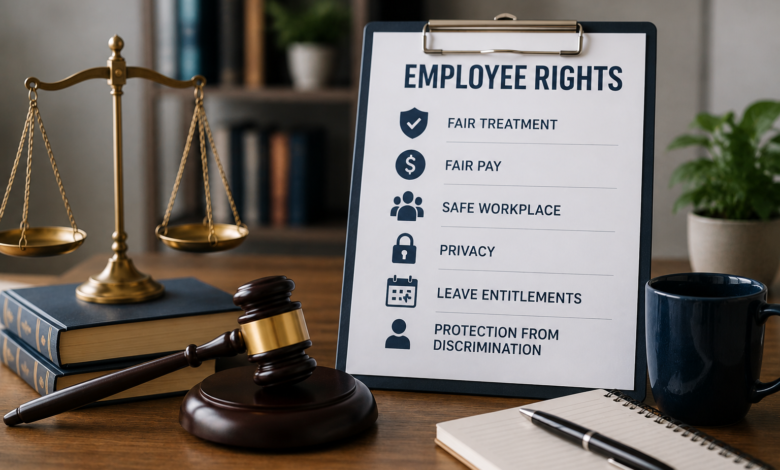
Employee Legal Rights in 2026: A Complete Guide for Modern Workers
In today’s rapidly changing workplace, employees need more than just professional skills to succeed—they also need to understand their legal rights. Whether you work in an office, remotely, or in a physical labor environment, knowing your rights can help protect your income, career, and personal well-being.
As employment laws continue to evolve in 2026, workers have access to important protections designed to ensure fairness, safety, and equal treatment. Unfortunately, many employees remain unaware of these rights until they encounter a problem at work.
This guide explains the key workplace rights every employee should understand.
Why Understanding Employee Rights Is Important
Employee rights are designed to create a healthy relationship between employers and workers. They help establish fair standards and protect individuals from mistreatment, unsafe conditions, and unlawful employment practices.
Knowing your rights can help you:
- Protect your earnings
- Recognize unfair treatment
- Improve workplace safety
- Secure better working conditions
- Handle employment disputes confidently
Being informed allows employees to make smarter decisions throughout their careers.
1. The Right to Receive Fair Pay
Every employee deserves compensation that complies with employment laws and agreed-upon workplace terms.
This generally includes:
- Receiving wages on time
- Being paid according to agreed rates
- Proper overtime compensation where applicable
- Access to accurate payroll information
Regularly checking your pay records can help identify potential errors before they become larger issues.
2. The Right to Work in a Safe Environment
Employers have a responsibility to provide a workplace that minimizes risks and protects employee health.
Workers should expect:
- Proper safety procedures
- Necessary training programs
- Suitable protective equipment
- Clear reporting systems for workplace hazards
Safe workplaces not only protect employees but also improve productivity and morale.
3. Freedom from Workplace Discrimination
Employment decisions should be based on qualifications, performance, and experience rather than personal characteristics unrelated to job performance.
Discrimination may affect areas such as:
- Hiring processes
- Promotions
- Salary decisions
- Training opportunities
- Job assignments
Equal treatment helps create a more inclusive and productive work environment.
4. Protection Against Harassment and Bullying
Employees have the right to perform their jobs without fear of intimidation, harassment, or abusive behavior.
Workplace harassment may involve:
- Offensive comments
- Repeated bullying
- Threatening behavior
- Verbal abuse
- Conduct that creates a hostile atmosphere
Reporting inappropriate behavior can help maintain a respectful workplace culture.
5. Employee Privacy Rights
Technology plays a larger role in modern workplaces than ever before. As a result, privacy concerns continue to grow.
Employees should understand how their information is handled, including:
- Personal records
- Digital communications
- Monitoring systems
- Workplace data collection
Reviewing company policies can help employees understand both their rights and workplace expectations.
6. Access to Family and Medical Leave
Many workers may qualify for leave related to personal or family circumstances.
Common situations include:
- Serious medical conditions
- Caring for family members
- Childbirth and parental responsibilities
- Recovery from illness or injury
Understanding leave policies can help employees plan for unexpected life events.
7. Protection from Unlawful Termination
While employers can make staffing decisions, those decisions must comply with employment laws and contractual obligations.
Potential concerns include terminations connected to:
- Discrimination
- Retaliation
- Protected workplace activities
- Contract violations
Employees who believe they were treated unfairly should carefully review their employment agreements and legal options.
8. The Right to Report Workplace Misconduct
Employees often play an important role in identifying workplace problems.
Workers may report concerns involving:
- Safety hazards
- Wage issues
- Fraudulent activities
- Harassment
- Policy violations
Many legal systems provide protections for employees who raise legitimate concerns in good faith.
9. Equal Access to Career Opportunities
Employees should have fair opportunities to develop professionally and advance within their organizations.
This includes access to:
- Promotions
- Skills training
- Professional development programs
- Workplace benefits
- Leadership opportunities
Organizations that promote equal opportunity often attract and retain stronger talent.
10. The Right to Understand Employment Contracts
Before accepting a job or signing employment documents, workers should carefully review all terms and conditions.
Important areas often include:
- Salary and benefits
- Job responsibilities
- Confidentiality requirements
- Workplace policies
- Notice periods
- Termination conditions
Employees should never hesitate to ask questions before signing agreements.
Practical Ways to Protect Your Workplace Rights
Being proactive can help prevent misunderstandings and strengthen your position if issues arise.
Helpful practices include:
- Keeping copies of employment documents
- Saving important communications
- Understanding workplace policies
- Reporting concerns promptly
- Seeking professional advice when needed
Good record-keeping can be extremely valuable when resolving workplace disputes.
Emerging Workplace Rights in 2026
The modern workforce is changing rapidly due to technology and remote work trends.
Growing areas of employee protection include:
- Remote work policies
- Data privacy protections
- AI-based workplace monitoring
- Flexible scheduling rights
- Mental health support initiatives
Employees who stay informed about these developments will be better prepared for future workplace changes.
Final Thoughts
Understanding employee legal rights is one of the most effective ways to protect your career and financial stability. Fair pay, workplace safety, privacy, equal treatment, and protection from harassment are all essential components of a healthy work environment.
Although employment laws vary across different regions, every worker benefits from understanding their rights and responsibilities. Staying informed empowers employees to navigate workplace challenges with confidence and build a more secure professional future.